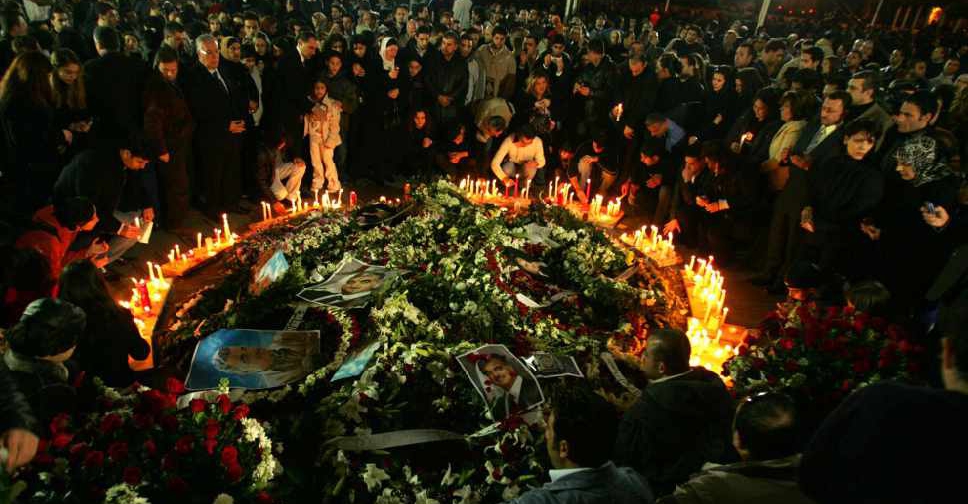
In this file photo taken on February 16, 2005, mourners gather on the grave of slain former prime minister Rafiq Hariri in downtown Beirut. (RAMZI HAIDAR / AFP)
Judges at the UN-backed Special Tribunal for Lebanon are set to rule in the case of four men charged
with the killing of former Prime Minister Rafik al-Hariri and 21 others in a 2005 bombing.
Hariri's assassination plunged Lebanon into what was then its worst crisis since the 1975-90 civil war, leading to the withdrawal of Syrian forces and setting the stage for years of confrontation between rival political forces.
The Hezbollah terror group has denied any involvement in the 2005 bombing.
The case has been overshadowed by the even bigger Beirut blast this month - the largest in Lebanon's history - that killed 178 people and drew outraged demands for accountability.
The judgment had initially been expected earlier this month, but was delayed after the port explosion.
The investigation and trial in absentia of the four Hezbollah members has taken 15 years and cost roughly $1 billion. It could result in a guilty verdict and later sentencing of up to life imprisonment, or acquittal.
The hybrid court, with Lebanese criminal law and a mix of international and Lebanese judges, could serve as a model if Beirut decides to prosecute this month's explosion.
Saudi civil defence sent an all-clear on Saturday after issuing alerts for a second time for potential danger in Riyadh and the city of Al-Kharj east of the capital, amid an uptick in attacks by Houthi rebels on the Gulf country.
The US State Department approved a potential $2.7 billion military sale to Ukraine aimed at strengthening and upgrading the country's air defences, the department said in a congressional notification late on Friday.
The United States, Denmark and Greenland have entered into an agreement for the US to develop a significant military presence on Greenland, while prohibiting US adversaries from building their own bases on the island, Donald Trump said.
President Donald Trump has extended an executive order that would impose a fee of $100,000 for H-1B non-immigrant visas by another year, the White House said.




 Saudi civil defence sends all-clear after alerts issued for capital Riyadh
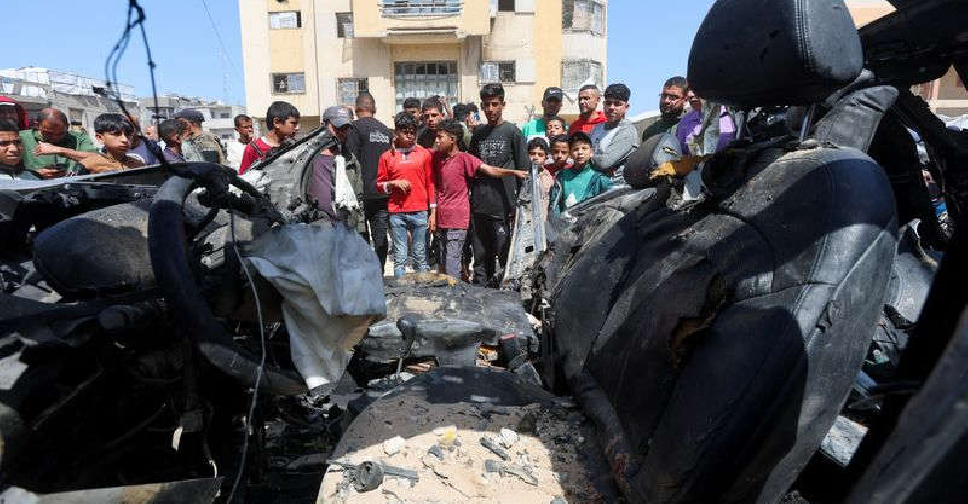 Israeli strikes kill three people in Gaza, medics say
 Washington approves potential $2.7 billion air defence sale to Ukraine
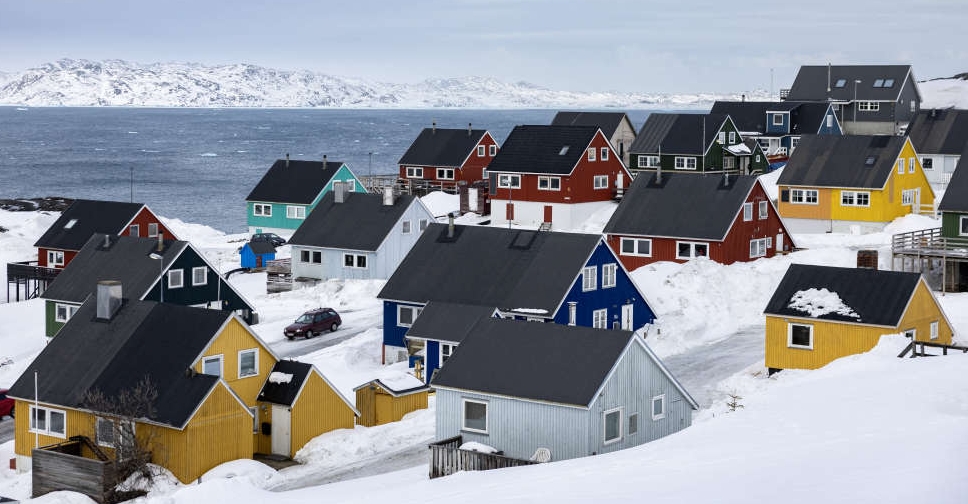 US and Denmark reach deal on Greenland
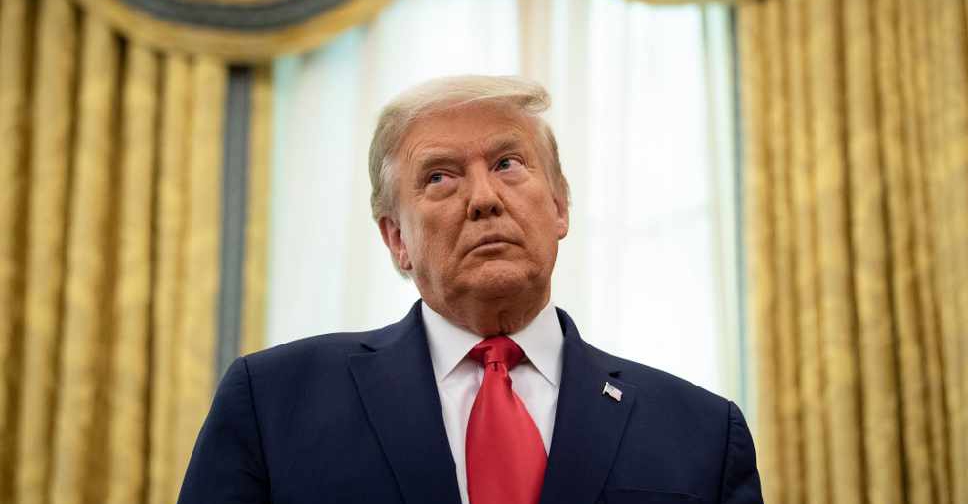 Trump extends push for $100,000 H-1B visas by another year


