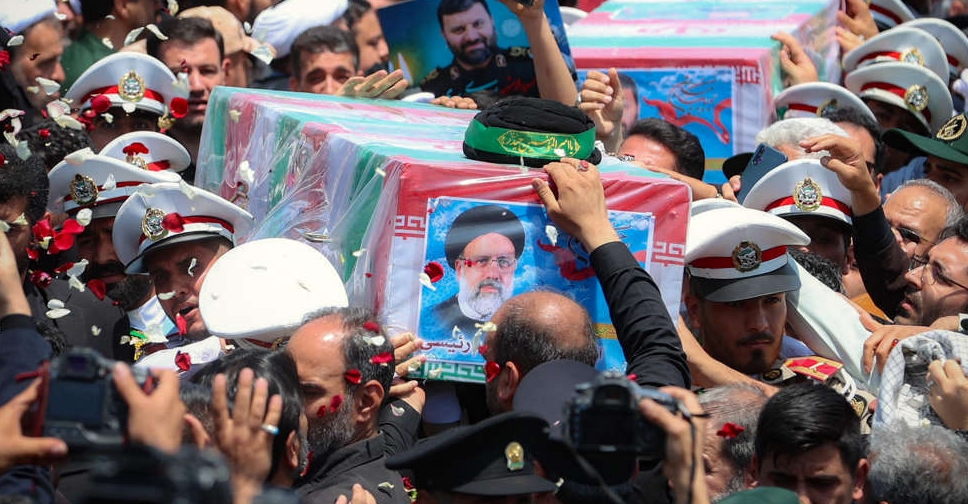
The helicopter crash in which Iran's late President Ebrahim Raisi was killed in May was caused by weather conditions and the aircraft's inability to handle the weight it was carrying, Iran's semi-official news agency said, citing a security source informed of the final investigation results.
A preliminary report by Iran's military had said in May that no evidence of foul play or an attack had been found during the investigation.
"The investigation in the case of Ayatollah Raisi's helicopter crash have been completed ... there is complete certainty that what happened was an accident," the security source, who was not named, told Fars.
Two reasons for the accident were identified: the weather conditions were unsuitable and the helicopter was unable to handle the weight, leading to it crashing into a mountain, the source added, according to Fars.
The investigation indicates that the helicopter was carrying two people more than the capacity that security protocols allow, the source told Fars.
Raisi, once a potential successor to Supreme Leader Ayatollah Ali Khamenei, was killed in the crash in mountainous terrain near the Azerbaijan border.
Israel and Iran-backed Hezbollah agreed to a ceasefire beginning at 4:00 PM (1300 GMT) on Friday, a US official said, after an escalation in hostilities in Lebanon sorely tested the US-Iranian interim deal to end the wider Middle East conflict.
British Transport Police said on Friday it was responding to reports of a collision involving two trains about 60 miles (96 km) north of London, with media reports saying the major incident had resulted in multiple injuries.
Italian Prime Minister Giorgia Meloni accused her one-time close ally Donald Trump of fabricating a story about her on Friday, after the US President told an Italian TV channel that she had "begged" him to take a photo with her at the G7 summit.
Switzerland said US talks with Iranian negotiators on a pact to end the Middle East conflict would not take place on Friday, as Vice President JD Vance dropped plans to travel to Geneva, adding to uncertainty whether a lasting truce can be found.
Norway is imposing a near ban on the use of generative AI tools by elementary school pupils while also restricting their use in the education of older children to prevent a negative impact on learning, the country's prime minister said on Friday.



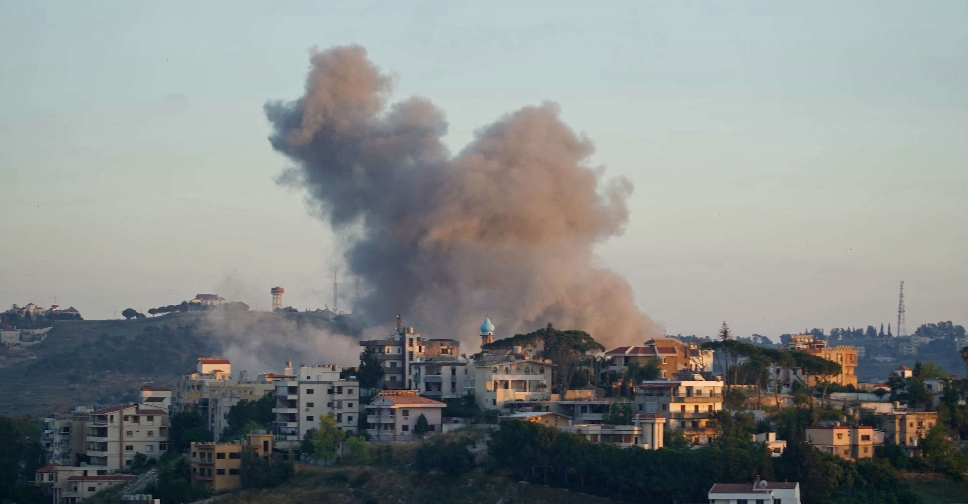 Israel and Hezbollah agree to ceasefire
 Two trains collide north of London, multiple injuries reported
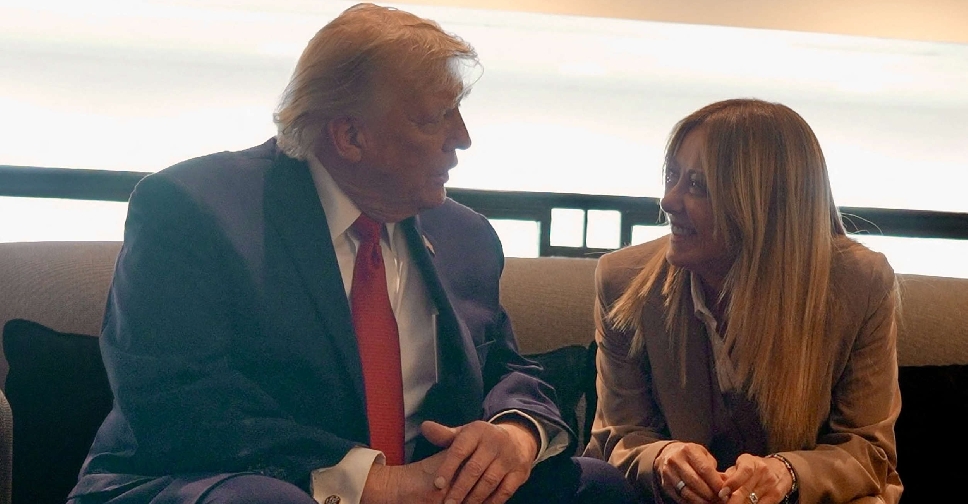 Meloni says Trump 'totally invented' story that she begged him for photo
 US-Iran peace talks in Geneva called off, clouding prospects for lasting truce
 Norway imposes near ban on AI in elementary school