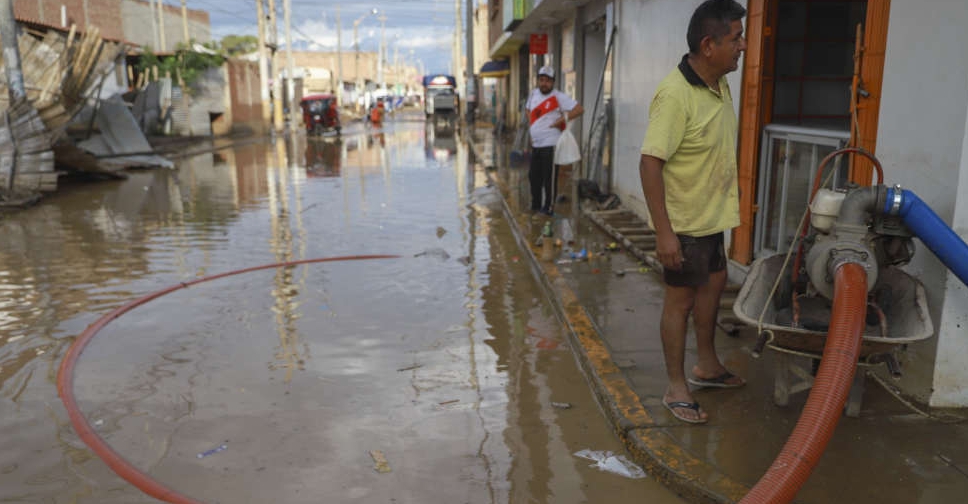
At least six people have died in Peru over the last few days as a powerful cyclone unleashed torrential rains, battering hundreds of homes and causing major disruptions in northern areas of the Latin American country, authorities said.
The government has declared a state of emergency as it seeks to bring relief to regions of Peru hard hit by the cyclone known as Yaku, which include Lambayeque, Piura and Tumbes.
Early on Friday, the National Institute of Civil Defense (INDECI) said flooding caused by Yaku had claimed six lives.
Later, INDECI said 58 people had been killed since the start of the rainy season, which began some months ago. It did not provide a specific time frame for the casualties.
Peru has been riven by instability and anti-government protests over the past few months since Congress removed former President Pedro Castillo from power in December.
His replacement, President Dina Boluarte, visited parts of northern Peru on Saturday as the government delivered humanitarian aid to areas badly hit by the cyclone.
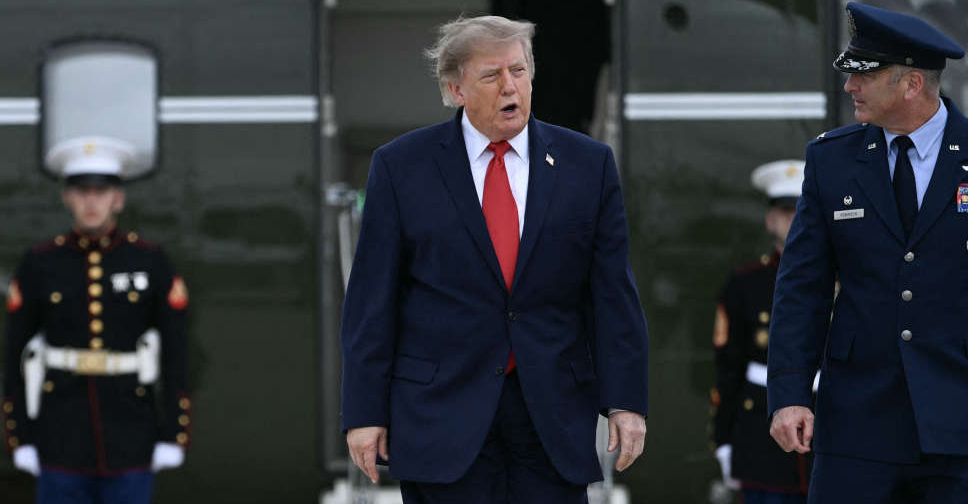
Donald Trump is set for a whirlwind schedule of meetings with leaders from four continents at the UN General Assembly on Tuesday, against the backdrop of the wars in Ukraine and Iran that show no signs of abating.
At least five people, including students, were wounded when an attacker opened fire in front of a high school in the western Turkish province of Manisa on Tuesday, broadcaster NTV and the local governor's office said.
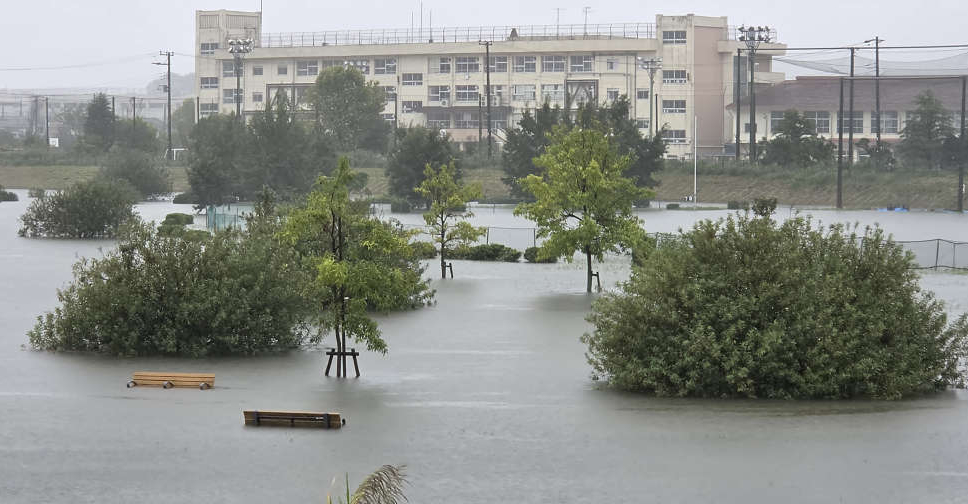
Torrential rains brought by a powerful typhoon lashing Japan's Pacific coast caused landslides that killed four people with six missing, public broadcaster NHK said on Tuesday, while snapping electricity supply to about 45,000 homes.
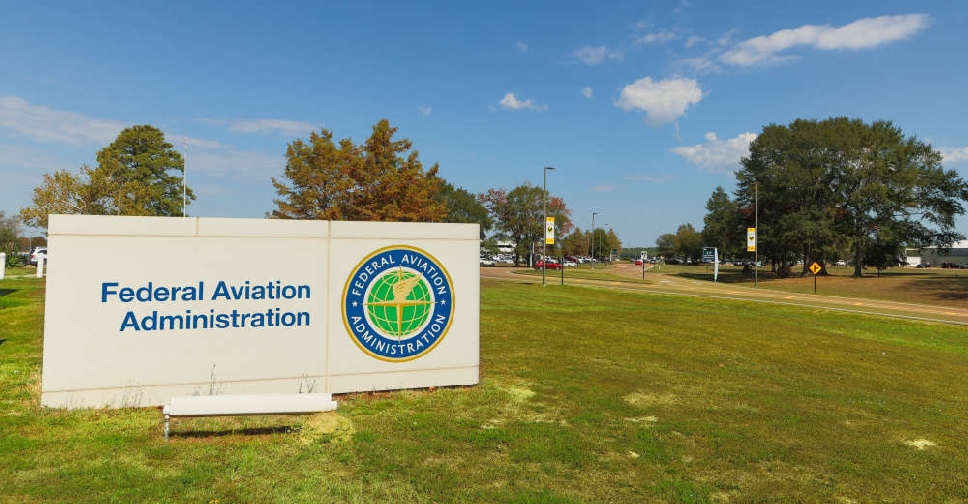
Thousands of flights across the US were disrupted on Monday, with incoming flights halted for hours at major East Coast airports, before the Federal Aviation Administration resolved a telecommunications problem late in the afternoon.
British Prime Minister Andy Burnham said on Monday he had agreed to a request from Saudi Arabia to provide defensive air-to-air refuelling for a limited time period, a move he described as helping to stabilise the wider region.



 Trump set for whirlwind UN meetings with wars in Iran, Ukraine on agenda
 At least 5 injured in shooting outside Turkey school
 Torrential rains brought by Japan typhoon kill four, NHK says
 Thousands of US flights halted before telecom problem resolved
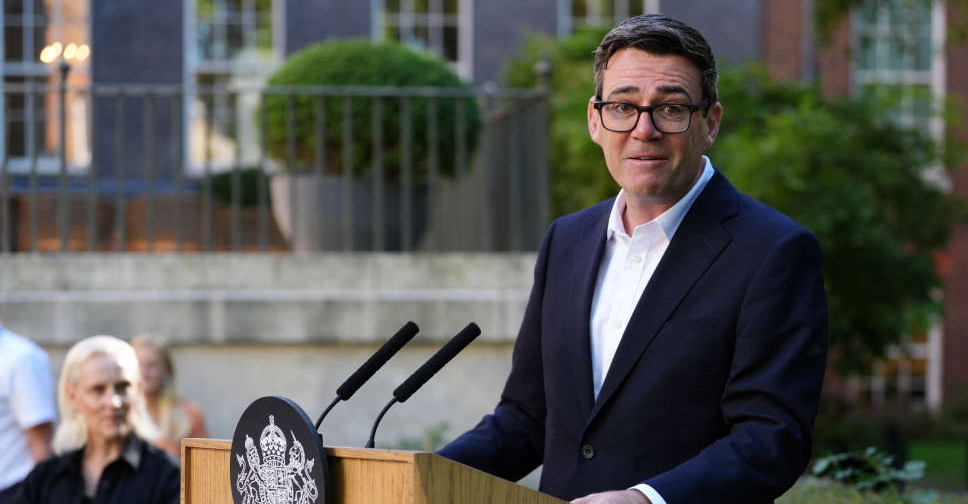 UK's Burnham agrees to Saudi request for refuelling support