

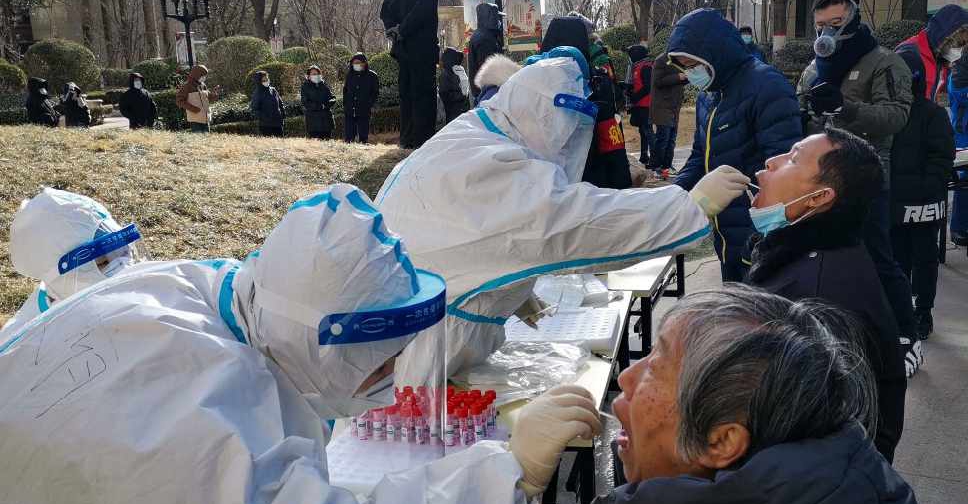
China should give access to World Health Organisation (WHO) officials investigating the origins of COVID-19 "without delay", Australia's Foreign Minister Marise Payne said on Thursday.
Earlier this week, the head of the WHO said he was "very disappointed" that China had still not authorised the entry of a team of international coronavirus experts.
"We hope that the necessary permissions for the WHO team's travel to China can be issued without delay," Payne said.
She reiterated the importance of the WHO-convened scientific study and said: "We look forward to the findings from the international field mission to China".
The novel coronavirus is believed to have first emerged in the central Chinese city of Wuhan in late 2019. It has since spread globally, infecting more than 86 million people and killing over 1.8 million, Reuters calculations show.
Australia has been a leading voice in calling for an independent inquiry into the origins of COVID-19 and, partly because of this, has seen its relations with China sour.
China, Australia's top trade partner, has since limited beef imports, imposed tariffs on Australian wine and told its millers to stop buying Australian cotton.


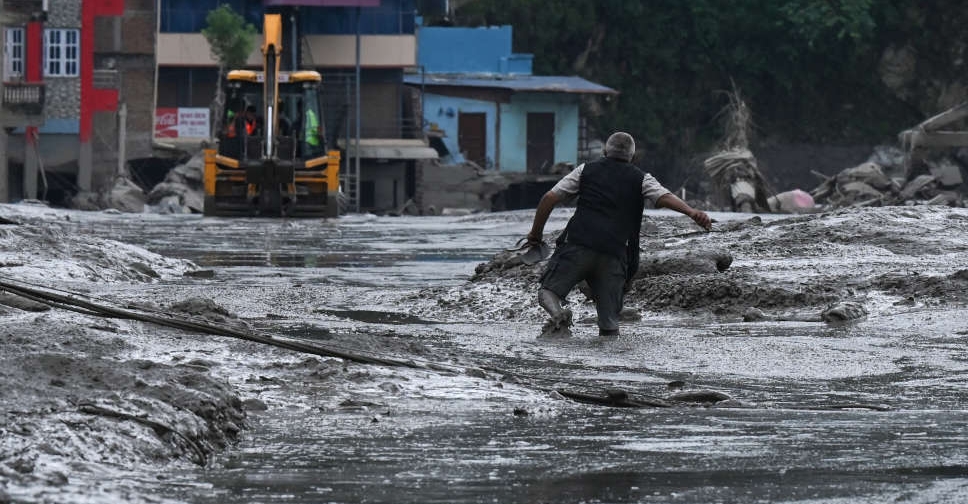 Death toll mounts, more than 1,000 missing in Nepal and China after Himalayan flood
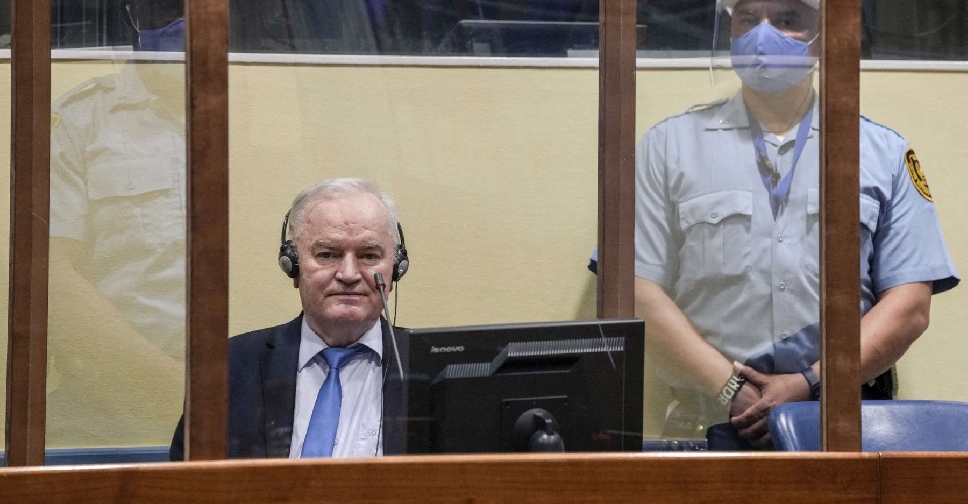 Ratko Mladic, former general convicted of Bosnia genocide, dies
 Car rams into pedestrians in France, kills 1, injures 10
 Brazil sues Discord for $97 million over alleged failures to protect children
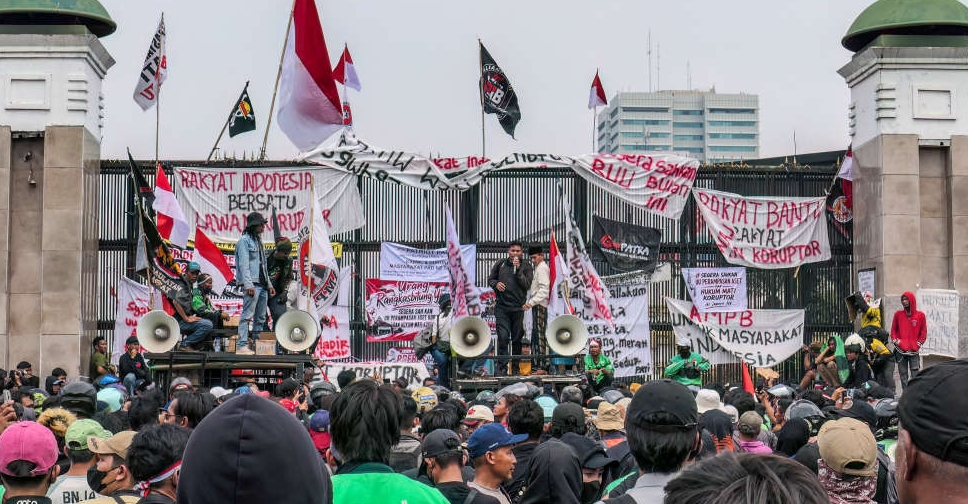 Indonesia tightens security as students rally one year after deadly protests